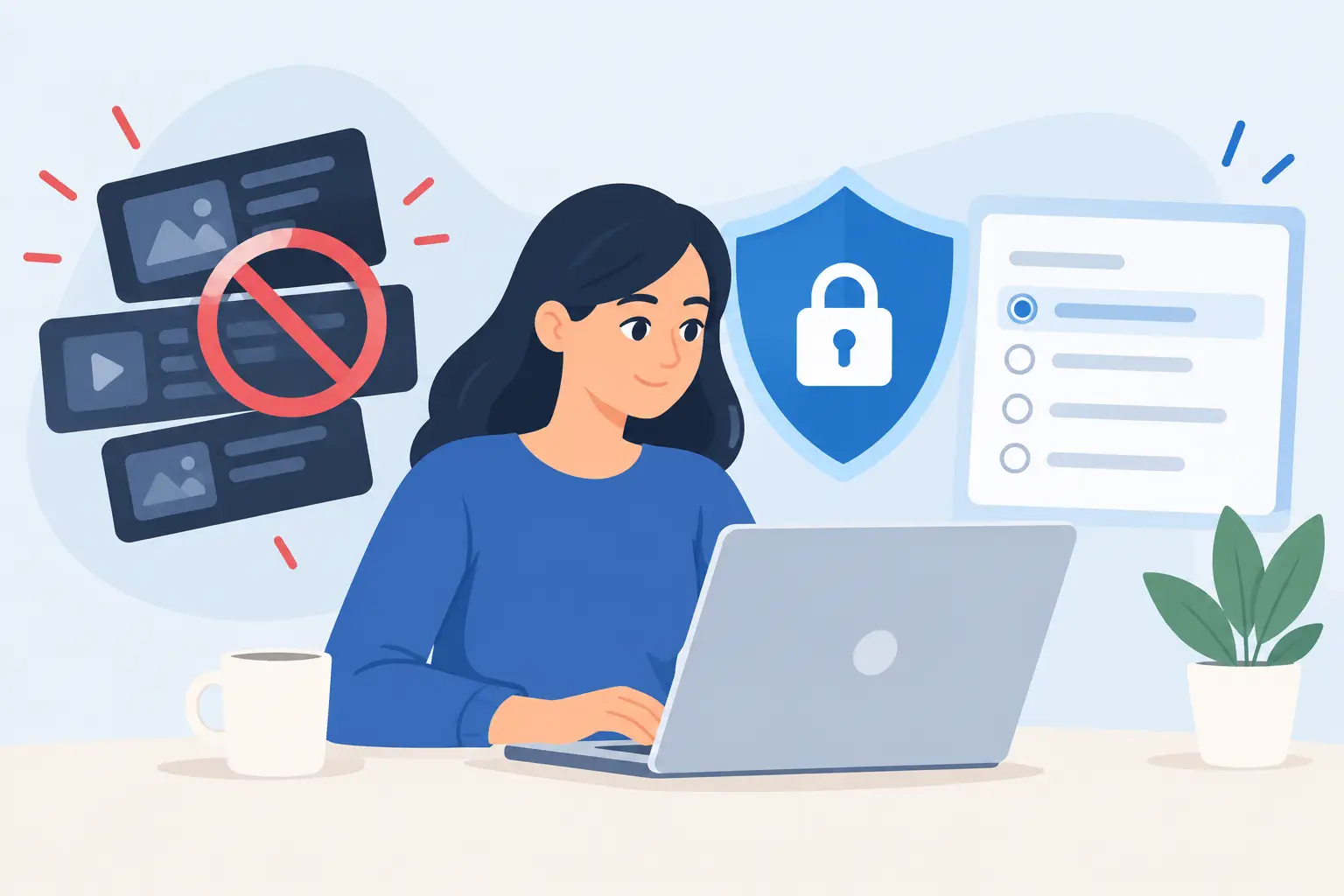
Your group chat is buzzing. Someone posts a row of colored boxes, a movie title, and a very confident “Got it in two.” You have not played yet. Suddenly, the day’s puzzle feels less like a challenge and more like homework.
Learning how to avoid quiz spoilers does not mean muting every friend, leaving the internet, or treating a daily game like state secrets. It means setting up a few small boundaries so you get the satisfying first solve for yourself. For movie fans, that moment matters: the wrong actor, release year, or plot clue can give away the answer faster than you think.
Why quiz spoilers hit differently
A spoiler for a show or movie can change an entire story. A quiz spoiler changes a smaller experience, but it can still ruin the point of playing. Daily puzzles are built around recognition, deduction, and that brief flash of “wait, I know this.” If the answer arrives before your guess does, the game loses its best part.
Movie quizzes are especially easy to spoil because the clues are naturally searchable and highly specific. A poster crop, a cast pairing, a quote, a release date, or a single unusual plot detail can narrow the field immediately. Even a supposedly vague message like “Today was too easy if you watched 90s thrillers” can steer someone in the right direction.
The goal is not to make discussion less fun. It is to separate playing from discussing, so both can happen without stepping on each other.
How to avoid quiz spoilers before you play
The most useful anti-spoiler habits happen before the puzzle enters your feed. You do not need a complicated system. You need to notice where spoilers usually find you.
Play before your usual scroll
If you tend to open social apps first thing in the morning, try flipping the order. Play your daily quiz before checking group chats, Reddit threads, Discord servers, or comment sections. It takes only a few minutes, and it removes the biggest risk window.
This works best when the quiz becomes part of an existing habit. Play while your coffee brews, during your commute, or in the quiet minute before your first meeting. A daily film puzzle such as PlotLuck fits neatly into that kind of routine: quick enough to do first, satisfying enough to make you want to protect the surprise.
Of course, mornings are not ideal for everyone. If you play at night, make your boundaries fit that schedule instead. The point is not an early wake-up call. It is claiming a spoiler-free moment before you enter spaces where answers travel fast.
Mute the right words, not every friend
Most social platforms let you mute keywords, phrases, and sometimes emojis. Use that feature around the games you play regularly. Add the game name, common answer-sharing phrases such as “today’s puzzle,” and any distinctive score-grid emoji people use.
Keep the list targeted. Muting broad words like “movie,” “film,” or “quiz” may block posts you actually want to see. A short, specific filter is usually enough to catch the obvious spoilers while leaving the rest of your feed intact.
If a platform does not offer useful filters, consider moving the app off your home screen or turning off its notifications until you have played. That sounds dramatic, but friction works. One extra tap can be enough to remind you, “Puzzle first.”
Turn off preview notifications
The spoiler is often not inside the app. It is on your lock screen.
A notification preview can reveal an answer in a group-chat message without you choosing to open anything. Switch message previews to show only the sender or hide content when your phone is locked. You can still see that your friends are talking. You just will not accidentally read, “The answer is definitely…” while checking the time.
For especially enthusiastic chat groups, silence notifications temporarily. It is a trade-off: you may miss a few messages, but you will not miss your own chance to solve.
Set simple rules for shared chats
Friends do not always spoil quizzes because they are careless. Often, they assume everyone has already played or they are excited to compare their result. A clear, low-key agreement solves most of the problem.
Try a simple rule: no direct answers in the main chat until a set time. If your group has different schedules, make it the next day instead. People can still post reactions, scores, and victory laps without naming the film.
A few good chat habits make a real difference:
- Put the game name at the start of any spoiler post so people can scroll past it.
- Use a dedicated spoiler channel or thread for guesses, answers, and clue debates.
- Share score patterns without adding commentary that narrows the answer.
- Ask before posting screenshots, since images can reveal more than a text message.
The best rule is the one people will actually follow. A group of close friends may be happy with “answers after 8 p.m.” A larger community may need separate threads. Keep it easy, specific, and friendly.
Know that score shares can spoil, too
A score grid looks harmless because it does not show the answer. But context can turn it into a clue. If someone says “embarrassing that I needed six guesses for this Oscar winner,” they have already handed out a category. If they post at 12:02 a.m. with a perfect score every day, that can signal the difficulty level and shape how others approach it.
This does not mean nobody can share results. It means results work better after a spoiler window, or with neutral captions. “Tough one today” is safer than “I cannot believe I forgot that director’s debut.” The difference is tiny, but the puzzle experience stays intact.
Avoid accidental search-engine spoilers
Search is useful when you are done. Mid-puzzle, it is usually a trap.
Movie trivia is built for search engines. Type in two actors, a partial quote, or a strange location from a clue and you may see the exact answer in the first result, autocomplete suggestion, image panel, or related-search box. Even trying to confirm that a film is “probably from 2007” can lead somewhere you did not intend to go.
Give yourself a clear rule: do not search any clue until you have submitted or chosen to stop. If the game allows unlimited guesses, decide in advance what counts as fair play for you. Some players enjoy using their memory only. Others like a research-assisted solve. Both are valid, but mixing them halfway through can make the win feel less earned.
If you do look something up afterward, make it part of the fun. Read about the cast, compare the clues, and finally open the discussion thread. The answer should be the start of the conversation, not the thing that ends the game before it begins.
What to do when you get spoiled anyway
It happens. A friend posts the title. An algorithm serves a suspiciously specific video. You glimpse an answer while scrolling. Do not let one bad moment turn into a reason to abandon the puzzle.
First, decide how much you saw. If you only caught a title fragment or a broad hint, keep playing. Your brain may still have room to make its own connections. If you saw the full answer, you can skip that day, play for speed, or focus on understanding how the clues pointed there. There is no prize for pretending you did not see it.
Then fix the source, not just the feeling. Mute the chat for the day, adjust a notification setting, or tell your friend that answers need a spoiler label. A quick message works better than silent resentment: “I had not played yet - can we keep the answer in the spoiler thread next time?” Most people will get it.
Keep the social part without ruining the solve
The best daily quizzes create two kinds of fun: private deduction and shared reaction. You do not have to choose one.
Play first. Share later. When everyone has had a fair shot, the conversation gets better anyway. Instead of one person dropping the answer, you can compare wrong guesses, argue over clue difficulty, and discover who recognized a supporting actor from a movie nobody else remembers.
That is the sweet spot for a film-loving group chat: enough protection to preserve the challenge, enough room afterward to celebrate the solve. Set the boundary once, respect it often, and let tomorrow’s puzzle arrive with its mystery still intact.